Before The Breakthrough: Searching For Happiness
The Early Years — In Bears’ Words
Before The Option Process®, I lived in a stop-start atmosphere. My doubts, reflections, and questions oftentimes became indictments. Like those around me, the not knowing — the worry and fear — infected so many of my activities and pleasures. I wanted peace, but believed it was nowhere to be found. I loved people, but always feared losing them. I created fantasies that most often did not come to pass. The world appeared to be filled with joy and excitement, yet, at times, so much of me seemed unlovable.
I had friends, yet felt peculiarly alone. I was happy one moment, confused or frightened the next. Life was an up-and-down roller coaster, and I couldn’t seem to get off. These were the dams inhibiting my flow.
When all else failed, I relied on dramatic comparisons to soothe my personal trauma. I would instruct myself to review all those titanic catastrophes I had escaped by accident of birth — wars, famine, disease, earthquakes, tidal waves. I even fed myself the age-old axiom: “I felt bad about having no shoes until I saw the man with no feet.” Adapting and coping was the order of the day… and yet, somehow, I knew these were half-measures. I persisted in searching for more.
In the mid-1960s, I scrambled through college as an aging adolescent infused with ideals and expectations. I lived with Sartre and Camus, burned midnight candles with Kant and Hegel, overturned stones with Aristotle and Aquinas. D. H. Lawrence, Faulkner, and Fitzgerald became my brothers as I pantomimed my life through their books. Bouncing in and out of relationships, I tried to contain my energy while I explored new contacts and delved into new areas of learning.
Yet beneath the surface of all this activity, there were so many questions left unanswered, so many riddles filled with fear and discomfort. Discomfort was fashionable in an era when classrooms were filled with youthful beggars being led into the maze rather than out of it. Freud was still king, which left many of us petrified in the face of our supposedly black and mysterious unconscious — something that could, without warning, crack through the thin veneer of our everyday sanity.
Days, months, and years were spent doing gymnastics on intellectual and artistic high bars — aloft, yet grounded. The exploring was intermingled with doubt and confusion. Graduation from college was capped with a degree in philosophy, followed by graduate work in psychology. I was lost in a world where almost everyone saw themselves as victims. Like my peers, I distrusted myself and refused simply to act on my own inclinations.
A well-meaning psychiatrist left me with a popular slogan shared by many so-called mental health practitioners: “You will always have times when you are anxious, uncomfortable and fearful, but now you are better equipped to handle them, to cope.” I had wanted a more affirmative resolution. I felt cheated and short-changed. And in that dissatisfaction, I knew my journey had still just begun.
In graduate school, truth was reduced to complex plastic and paper replicas of reality — a theoretical masquerade meant to represent flesh and blood. Motivated to move on, I continued the search.
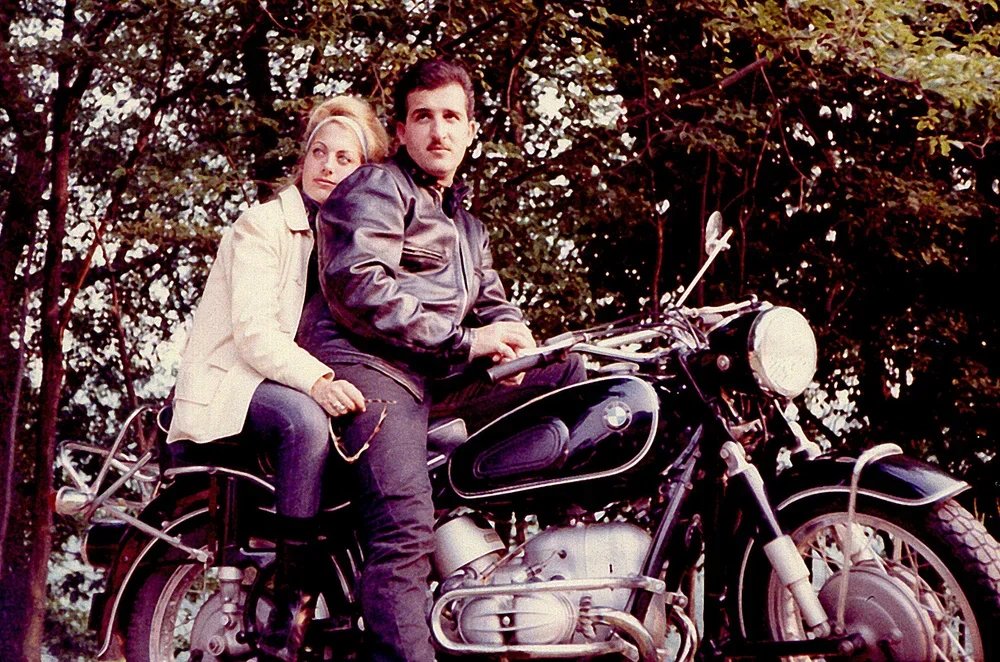
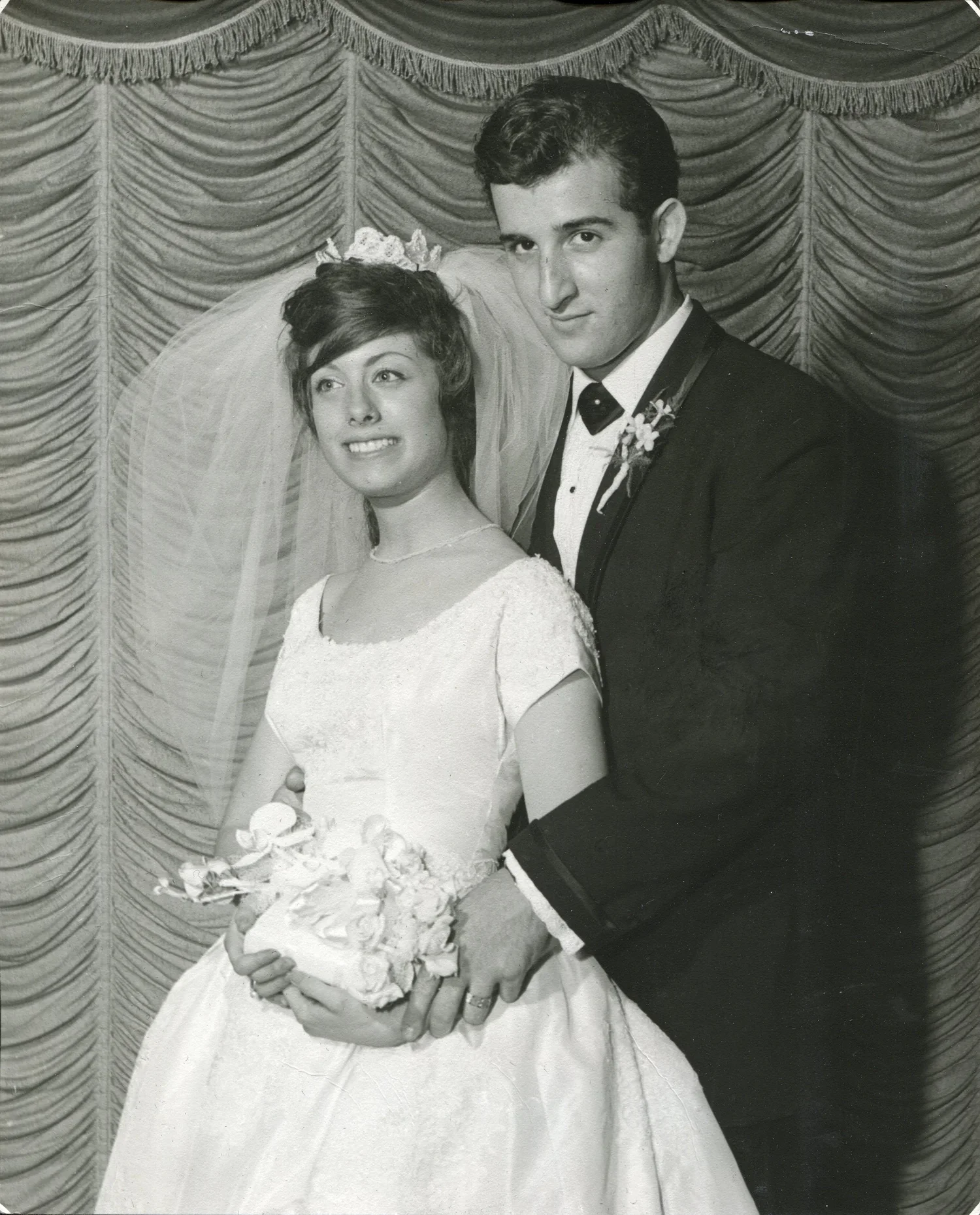
Life continued — marriage, and then the agonizing, painful death of my mother, for whom I had been the main caretaker. At twenty-one, the fabric of my daily existence disintegrated, leaving me adrift with only ambivalence and discomfort as consolation, on my knees emotionally. I turned to a Freudian psychoanalyst and spent seven years in therapy, speaking while he remained largely silent. My chatter echoed against the walls of his office. I waited for those few words that might dissolve the fog — interpretations for a lifetime, offered by one who presumed he knew.
Restlessly, I began to write — first a novel, then a play, then a screenplay. I entered a business venture in the motion picture industry that met with significant success, yet the anger and self-doubt continued to flourish. Even when I terminated therapy, with its half-measure concept of life, some of the discomforts still remained.
With my wife, Samahria, who joined me in many of these explorations, I investigated and participated in numerous pursuits of awareness and understanding. Moving beyond conventional therapy and academic psychology, I explored altered states of consciousness through hypnosis and auto-hypnosis. Eventually, I became skilled enough to put myself into a hypnotic state merely by touching my index finger to my forehead. Dramatic and fascinating, but incomplete. As I embarked on what would become a seemingly endless pursuit, my thirst for evolving awareness and knowledge increased.
The citadel of books was supplemented by experiments with a diverse series of theories and alternatives. Freud was tempered with Jung and Adler, retranslated and revised by Horney and Sullivan. I touched base with Gestalt, humanized by Perls, and with the primal scream dramatized by Janov. I lived my existential love affair with Sartre and Kierkegaard. I encountered the soft and loving embrace of Carl Rogers, and explored the work of Eric Berne. I passed through Skinner rather quickly, but lingered with Maslow.
Each offered pieces of the puzzle — each with its own beauty and wisdom — yet without the thread to weave the fragments together.
I turned to the quiet wisdom of Buddha and Zen. To Yoga and meditation. To Taoism and the insight that “Life is not going anywhere, because it is already here.” I dipped into Confucius: “To know what you know and what you don’t know is the characteristic of one who knows.” I continued East with acupuncture and reflexology, then returned West to consider the collective consciousness and its implications.
It was a beautiful and sometimes exhausting journey, where philosophy, psychology, religion, and mysticism merged. And yet, I knew I had to continue — to pursue that still-elusive perspective which, for me, would ultimately illuminate the horizon.
Then one evening, in a classroom in a school that has since disappeared, I encountered a man speaking about the power of beliefs and their impact on unhappiness. I knew I was hooked, and my understanding of myself and the world around me began to change swiftly.
I began a journey to explore every aspect of myself, with the clear and abiding intention to change all the parts of myself that no longer served me.