Love Beyond Borders: Adoption & Chosen Family
Expanding Our Family — Adopting Forgotten Children
After participating in our son’s rebirth and establishing The Option Institute®, we felt deeply grateful for what we had come to know and for our journey with Raun. We wanted to make our happiness and gratitude even more tangible. As a celebration of that inspiration, we decided to adopt children others did not want.
Our first adopted child was Tayo, who came from Colombia, South America. At one year of age, he had been severely malnourished and weakened by dysentery and intestinal parasites. His head appeared enlarged, his liver distended, and his rib cage flared. Initially, he had difficulty lifting his head or rolling over and could not crawl.
And yet, although he had been deprived of meaningful contact and affection throughout his short life, he had a big smile for anyone who looked his way.
With the assistance of our other children, we worked to help this little boy overcome the deprivation of his early living experience. As with our once-autistic son, we had to teach him skills other children master easily. His spirited desire to learn challenged us to invent games and activities that would help him gain control over his limbs so he could crawl, climb, and ultimately walk.
We learned so much about the power of personal motivation from this little boy.
As he grew, Tayo became a lively and talented youngster who asked thousands of “why” questions and delighted in expressing himself through his highly original cartoon drawings. After each meal, he would check on the content and location of his next one, as if to reassure himself in some deep place that he would not starve again.
Today, Tayo is married and has his own family with two children. After graduating college, he continued developing his fascination with computer technology and systems, now using those talents very successfully in the investment industry.
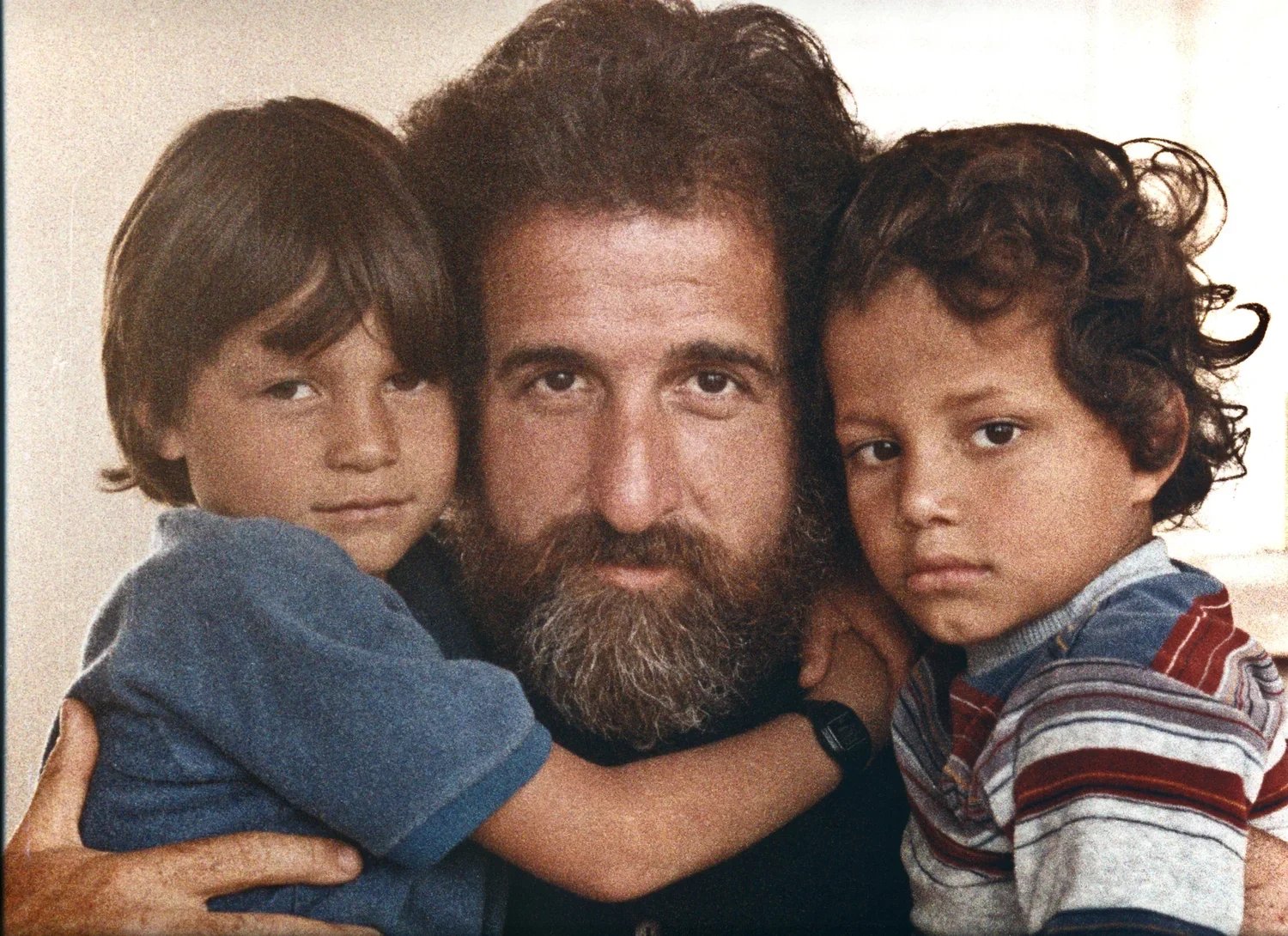
A most significant learning came with the arrival of our second adopted child, a little boy we named Ravi. He had lived in a poverty-stricken area of Bogotá, Colombia, and his mother had died when he was three years old.
A month after her death, Ravi wandered into the kitchen in search of food. He had not eaten that day. When he saw his father cutting slices of bananas, he asked for some. His father refused. The little boy persisted, asking again in a soft, pleading voice for just one small bite. His father, in a sudden fury, attacked him with a knife and slit his throat.
Neighbors found him and rushed him to a hospital, where he miraculously survived.
With no relatives to claim him after his father’s imprisonment, Ravi was placed in an orphanage, where he remained for nearly two years until one of the directors brought him to our attention. Though his vocal cords remained intact, he barely spoke and exhibited behaviors that today might be labeled as post-traumatic stress.
When others heard about our plans to adopt him, they questioned us. A psychologist warned that he would show signs of severe trauma for the rest of his life. A friend wondered what kind of sacrifices would be required. My father asked bluntly, “Are you looking for more trouble?”
Samahria and I could not relate to those concerns. We have never knowingly invited trouble into our lives; we try, as best we can, to invite wonderful experiences. We believed — or at least hoped — that any child or adult could flourish despite even the most horrendous circumstances. For us, adopting this child had nothing to do with sacrifice or loss, but everything to do with being happy and expressing our gratitude through action.
Picking Ravi up from the airport remains vividly imprinted in my mind. We had completed the adoption without ever seeing him. We had decided, from thousands of miles away, to become parents to this child, considered “damaged material” by others.
As people streamed through the terminal, I suddenly recognized our contact person holding the hand of a thin little boy whose dark eyes scanned the crowd. I leaped forward, knelt in front of him, and reached out my hands. He smiled. He knew. Then he lunged forward and jumped into my arms.
I loved him in that very first instant. I would be his “Popi,” as committed to him as to any of my other children.
So many people romanticize love. They speak of chemistry and bonding, of relationships taking time to develop. Yet within minutes of meeting Ravi, my love felt as strong and deep as the love I had for my other children. Love, like happiness, was no longer a mystery to me. I had witnessed the power of a decision.
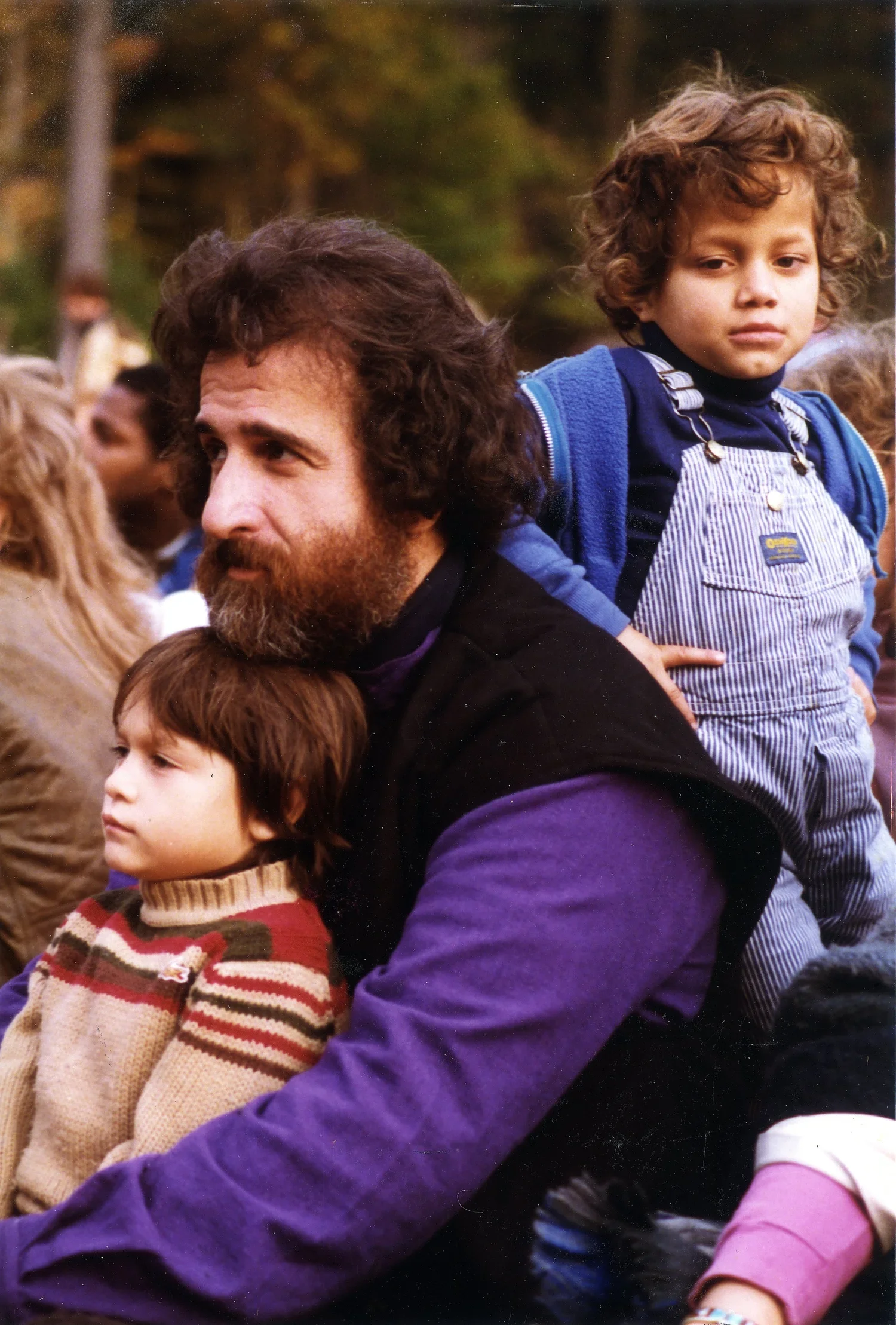
For the first six months, Ravi held tightly to me, often clinging to my leg as if anchoring himself. Though physically agile, he was hesitant to speak. Over time, however, he stretched himself, matured into a fine athlete, and began expressing himself with confidence. In junior high school, he gave a speech before an auditorium of his peers and was elected president of three grades.
After graduating college, his love of athletics led him into the field of personal fitness training. Today, he is the devoted father of a wonderful son and has developed a deep sense of peace and purpose.
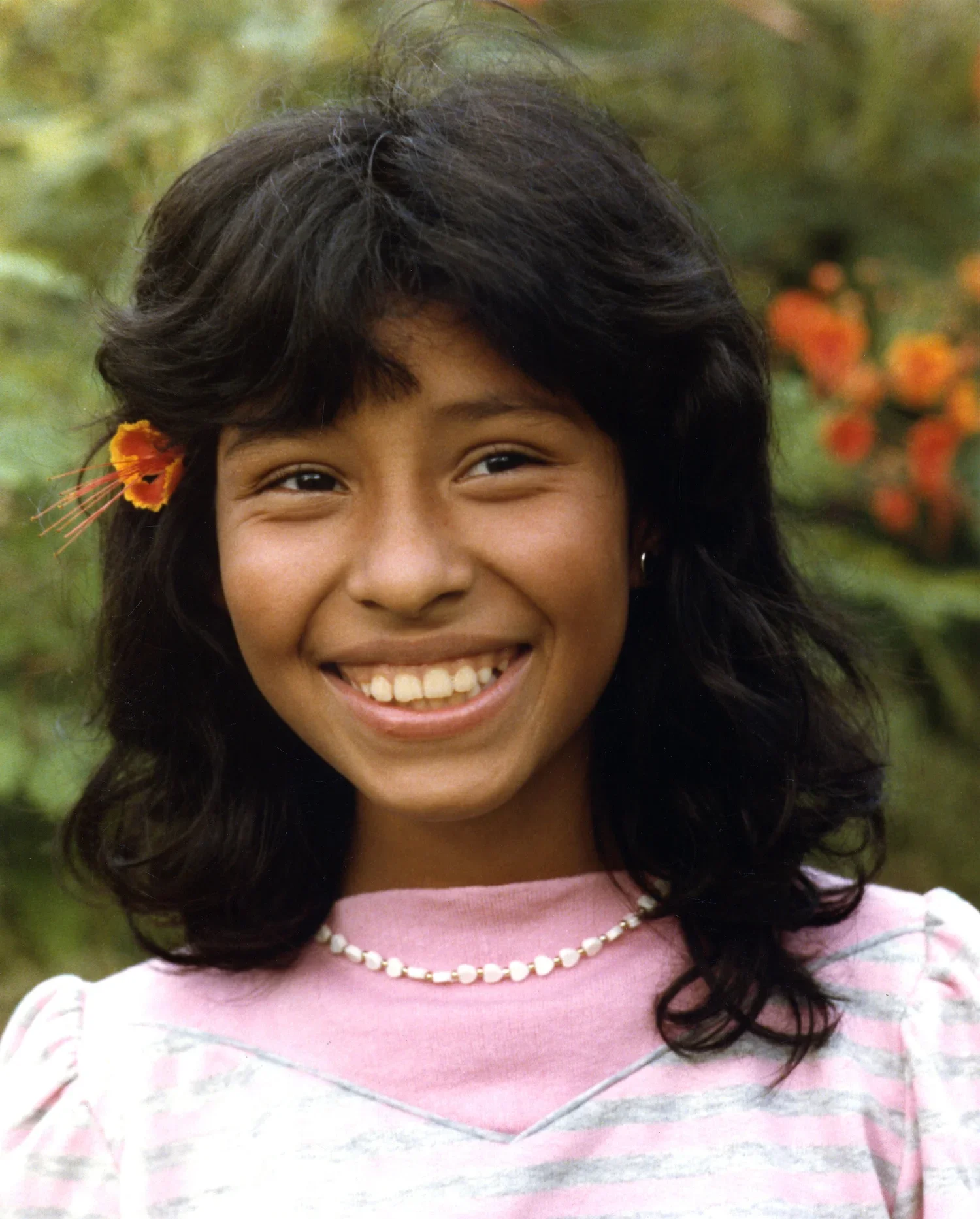
We also adopted a ten-year-old girl, Sage, who had been a victim of poverty and abuse in El Salvador. A child of the streets, she had learned to steal and lie in order to survive. Although she agreed to the adoption, she declared that she would never learn English or attend school.
Over time, we came to recognize a softness beneath her defiance — a deep yearning for closeness that her isolation could not conceal. We gave her years of strong yet gentle support. Gradually, she relaxed her guard, opened her heart, and allowed herself to love and be loved.
She learned English, discovered a love of learning, and became one of the most affectionate and generous members of our family. Today, she lives and works in the spa services industry and has even opened her own day spa. Recently, she chose to move closer to us again. For us, this has been a great joy.
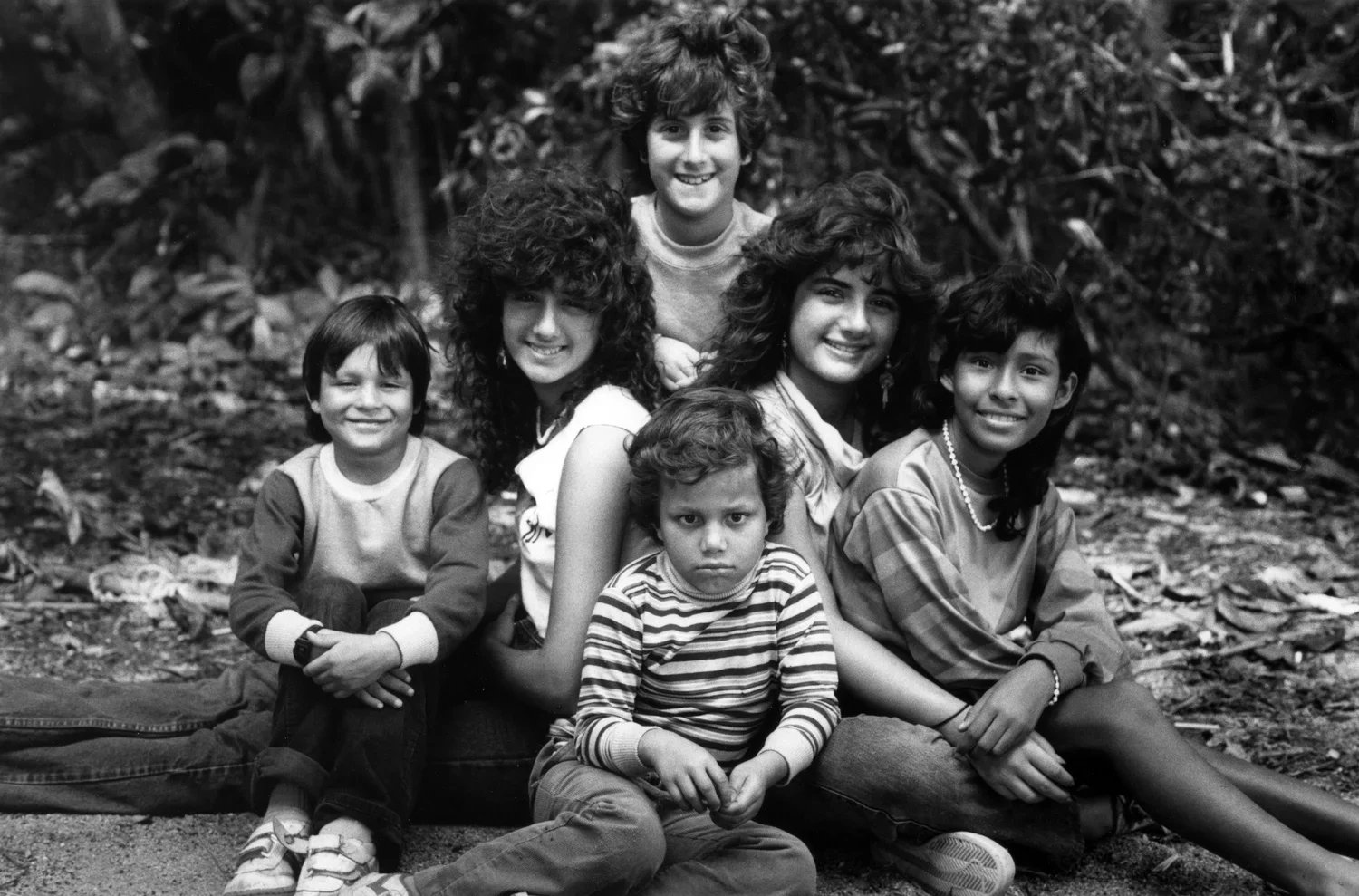
Each one of our children has given us the opportunity to access more of ourselves. Rather than being diminished by their challenges, we have uncovered an ever-expanding wellspring of love and ingenuity.
Whether teaching a class, working with someone privately, or simply walking with our children through the surrounding forest, I feel a sense of happiness, peace, and communion with life that I once would not have believed possible.