Embracing Autism: The Story Of Son-Rise
The First Graduate of The Son-Rise Program®
The joyful and ceremonious arrival of our son, Raun, was immediately dampened by the events of the next four weeks. In the hospital nursery, as well as at home, he cried inconsolably day and night. Examination followed examination, yet no visible difficulties were revealed.
Three weeks later, a severe ear infection surfaced. Our pediatrician prescribed antibiotics which, within twenty-four hours, caused severe dehydration. His eyes clouded. His skin turned a pasty white as the spark of life drained from our child. Emergency hospitalization. Raun was placed in intensive care as he hovered precariously between life and death. The pressure of the infection caused both eardrums to puncture. Our thoughts and energy were entirely devoted to wanting our son to live.
Finally, during his second week in the hospital, he began to respond. For all of us, a second beginning.
Now he seemed joyful; a peaceful and mellow harmony characterized the remainder of his first year. He grew and developed with beauty and strength. However, when he was twelve months old, we began to note a growing insensitivity to audio stimuli as he became less responsive to his name and other sounds.
During the next four months, this apparent audio deficit was compounded by a tendency to stare and be passive. He preferred solitary play rather than interaction with our family. When we held him in our arms, his body would dangle limply. More testing still produced no definite answers. Yet our son’s behavior continued to change rapidly. His delicate face and sparkling eyes turned toward another dimension of experience.
By seventeen months of age, Raun had withdrawn completely from all human contact and slipped behind a seemingly impenetrable wall. He was diagnosed as severely autistic, which, in those early years, had been labeled as a subcategory of childhood schizophrenia and considered among the most irreversible of conditions. He was also diagnosed as functionally retarded. “Incurable.” “Hopeless.” These were the underlying messages of the literature and the professionals we consulted throughout the country.
A classic case of autism. Silent and aloof, Raun stared through us as if we were transparent. He rocked back and forth incessantly to some internal symphony. He spun objects hour after hour. His fingers moved repetitively against his lips. There was no language development — no words, no sounds, no pointing gestures. No calling or crying for food. No signals to be changed or taken out of his crib. The loss of eye contact. The pushing away. The deafening silence. The loneliness.
And yet, although Raun was lost to us, he remained beautiful and blissful in our eyes, like a dedicated monk contemplating his life force as he sat patiently before the altar of the universe.
Committing ourselves to an openness to see anyone and go anywhere for help, we consumed every book available on autism and journeyed to different cities to explore and observe. Patterning. Psychoanalysis. Sensory conditioning. Biochemical experiments. Megavitamin theories. Various applications of behavior modification. What became increasingly clear was that most programs were little more than experiments. The number of children meaningfully helped was very small. Even when labeled successful, progress was often limited to minimal functional gains on a very primitive level.
The more we viewed and understood these treatments, the more resolute we became. Raun was a beautiful human being with his own special qualities and dignity. His eyes were intense, bright, and alive. But who was willing to respect that?
At that time, some children were receiving electric-shock treatments. Others were tied to chairs to prevent them from rocking. Some were enclosed in dark spaces as a form of aversion therapy. One doctor even stated that these children were “not very human” in their responses to therapy. It was difficult to understand how anyone could hope to help a child who struggled to understand the world by disapproving of that child and that child’s behavior.
Refusing to relinquish our good feelings, and refusing to extinguish the life of this delicate and different child, we decided to trust ourselves. We would design and create our own program without accepting limitations. We would help Raun recreate and expand his world in the same way we had recreated and expanded ours through The Option Process®. Our guide was the Option Attitude: to love is to be happy with. There would be no conditions he had to conform to, no expectations he had to fulfill, and no judgments labeling his behavior as good or bad.
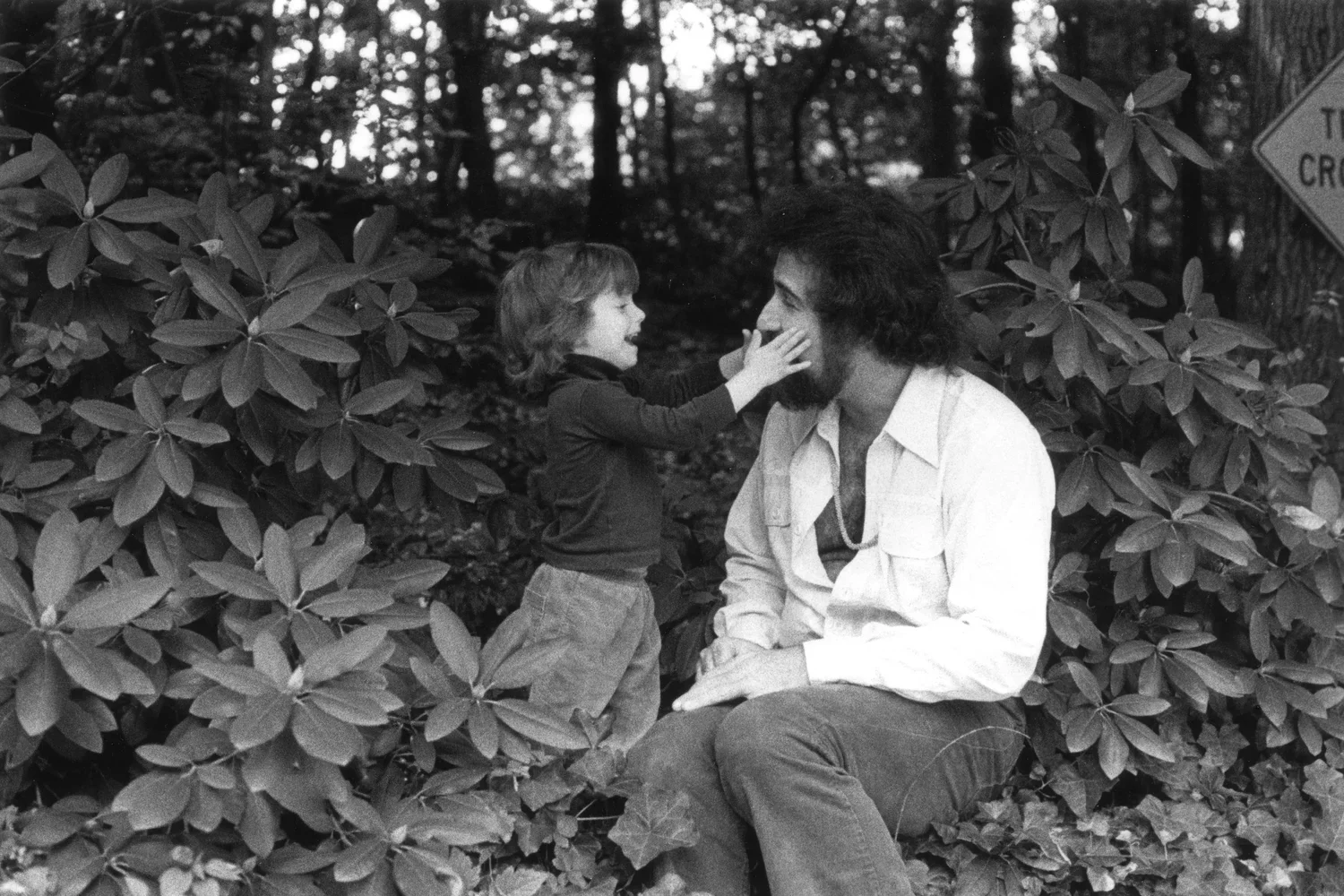
We decided to do what was most apparent. If Raun was unable to be with us in our world, we would try to make contact by going to his world. We joined him. If he rocked, we rocked. If he spun or flapped his fingers, we did the same. This was our way of learning about his interest, of saying hello, and of communicating our love and acceptance.
Several doctors suggested we were making a tragic mistake by supporting “bad” behavior. For us, there was no good or bad — only a different little boy we wanted to reach.
Within eight months, this totally withdrawn, self-stimulating, and “hopeless” little boy began to break out of his shell and become social, verbal, and affectionate. After three and a half years, he emerged as a highly interactive, socially aware, and caring young boy.
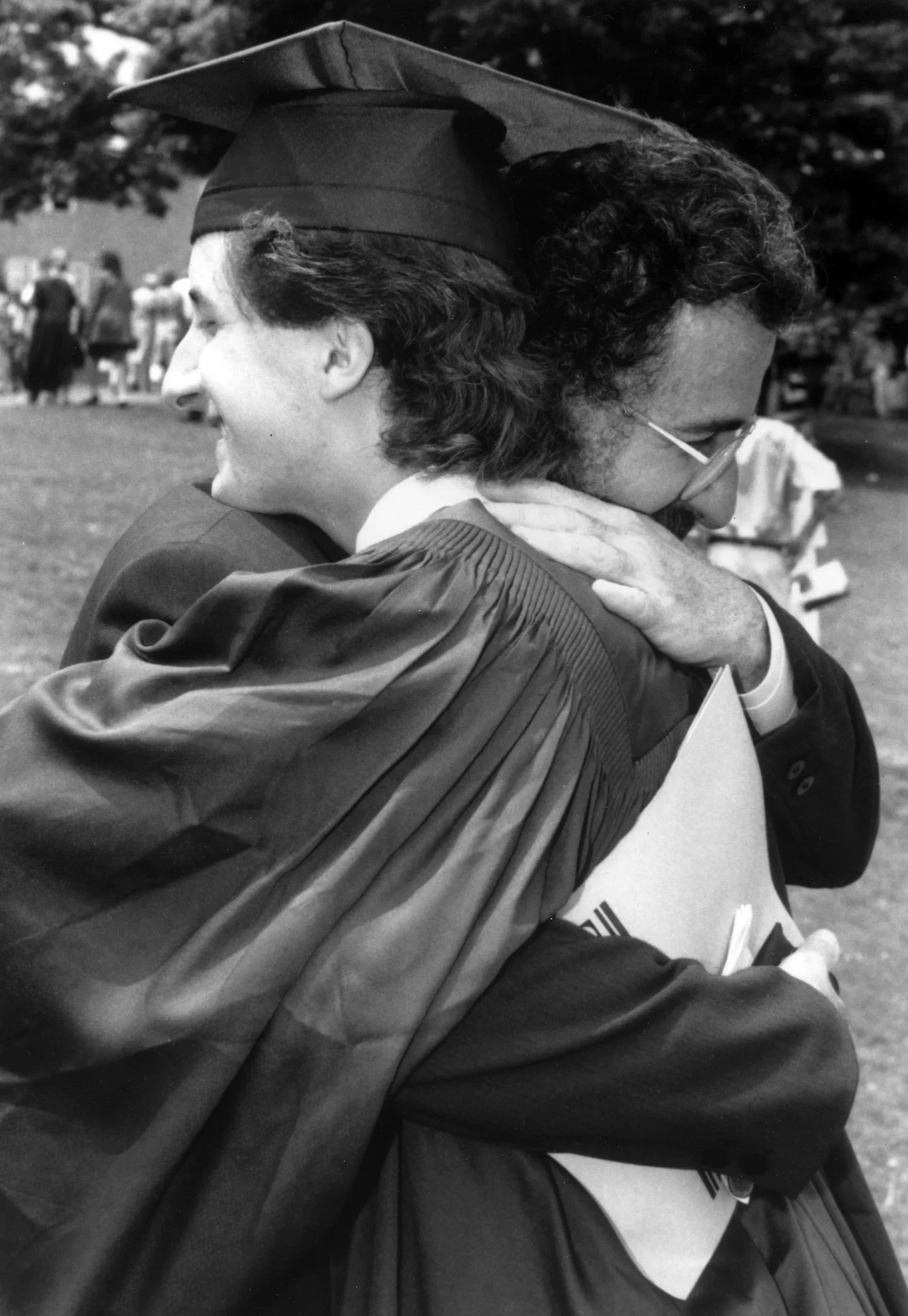
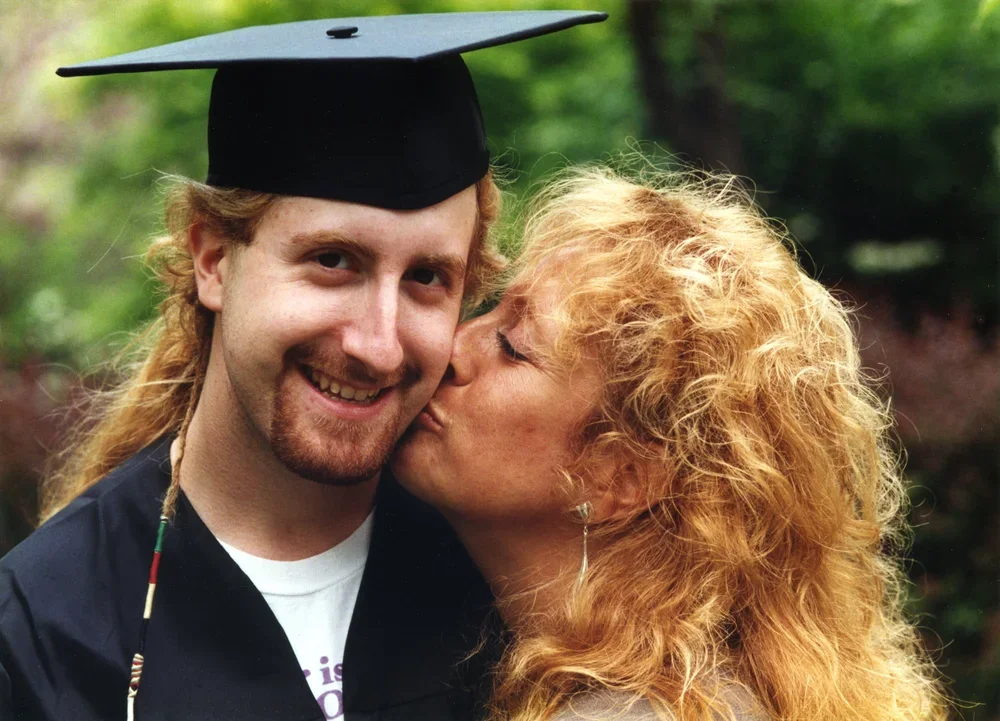
He later graduated high honors from high school, attended an Ivy League university, and went on to teach and inspire others around the world.
Had we followed the advice we were given, our son might have lived a very different life. Instead, we chose to see possibility where others saw none.
Samahria – In Her Own Words:
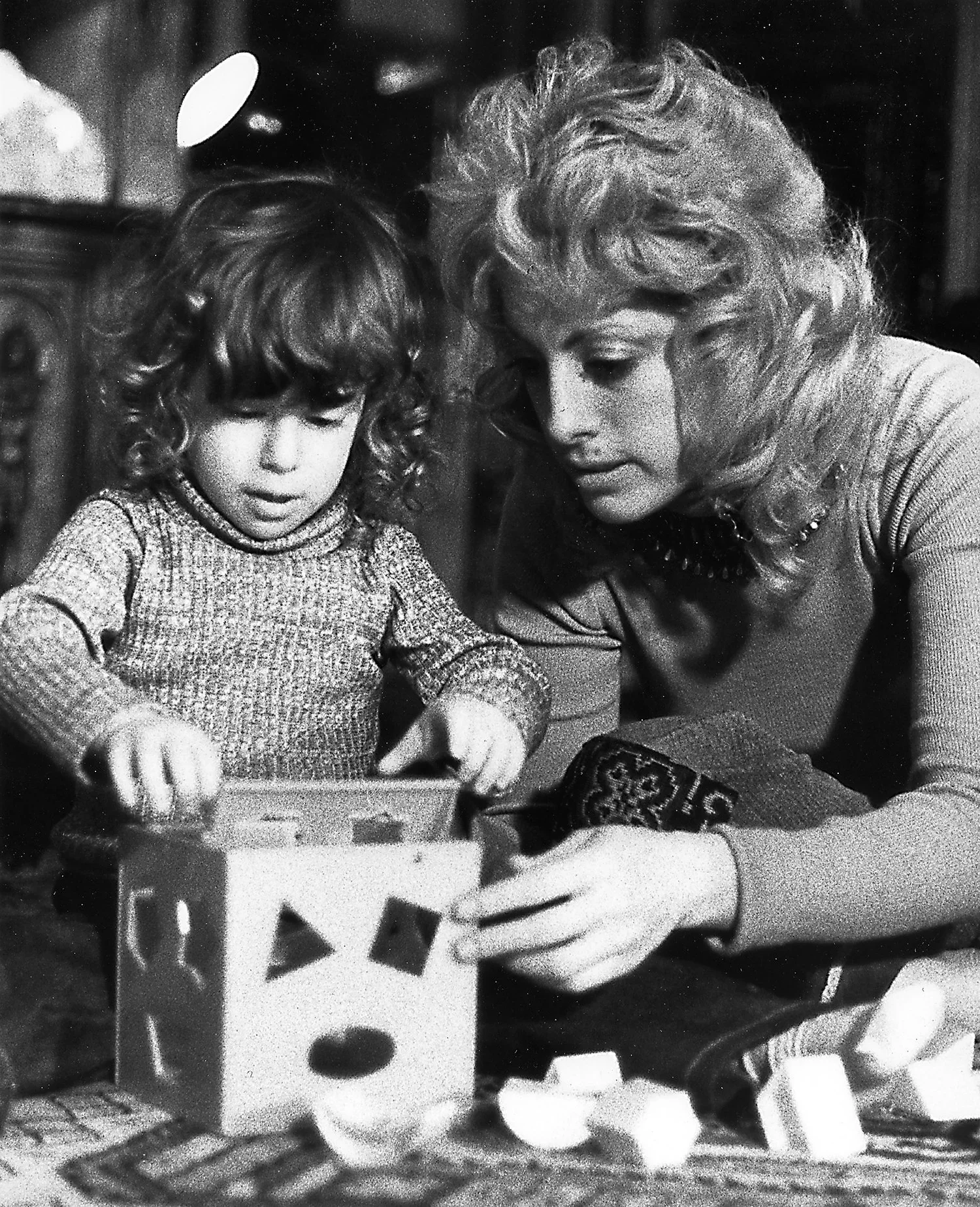
I began my journey with Raun in a small bathroom, believe it or not, because it was distraction-free in order to limit sounds, color, movement from the outside. When I started, I had not idea what I would do with him … but I spent twelve hours/day, seven days a week for many months. I only knew what my attitude was … Open, loving and without any expectations of what Raun should do or not do. I only wanted to be with him and see what, if anything, he would respond to. For at least a month, he responded to nothing. But I wasn’t giving up.
One day, I noticed he would throw away any object I presented to him … until one day, I said, “Oh, you want to throw … let’s really throw.” I took the box of blocks and began throwing them around, which made lots of noise. After awhile of my happily playing this throw game, he looked at me for the very first time and smiled. That was it! I was following what he seemed to want and delighting in it. It was a beginning. There were many beginnings… all predicated on presenting and following him whenever he seemed to show any satisfaction or fascination. He was the boss!
Later, Bears joined me as we created a special playroom where human interaction and bonding became the most important qualities in addition to joining him while displaying love, acceptance and affection with music, smiles and gentle stimulation – always guided by his motivation.
Ever so slowly, Raun opened. Day by day, a slight coming out. Wow! So beautiful! And we later trained others to help us on this compelling journey, including our daughters, Bryn and Thea, who were truly amazing and loving teachers for their brother. Three-and-a-half years later, this amazing boy was the inspiration for The Son-Rise Program, which we subsequently taught parents, grandparents and friends to create in their homes for their children on the Autism Spectrum.
Raun’s autism was the greatest gift of my life – and I wouldn’t have changed a single moment of that adventure … and all that I learned and how I grew myself along the way with Raun. Now others can carry that delight for their children with Autism, no matter what the outcome.
Raun – In His Own Words
Why do things turn out the way they do? Every so often, I ask myself why an event in my life occurred. I realize that, in the larger scheme of things, I can never fully know. But I do believe that each event offers us a chance to change ourselves and our lives, whether the change is slight or sweeping.
When I was diagnosed with severe autism, the world encouraged my parents to see it as a tragedy — something hopeless. Instead, they chose to see something else. They saw beauty where others saw tragedy, light where others saw darkness, hope where others saw only closed doors.
What turned things around was not a series of events, but a radically different perspective.
You don’t have to “cure” your child for their life to have meaning. The value lies in how you meet your situation and your child.
If there is one thing my life has taught me, it is this: the dividing line between the possible and the impossible exists only within the confines of our own minds. Hope leads to action, and without action, nothing can change